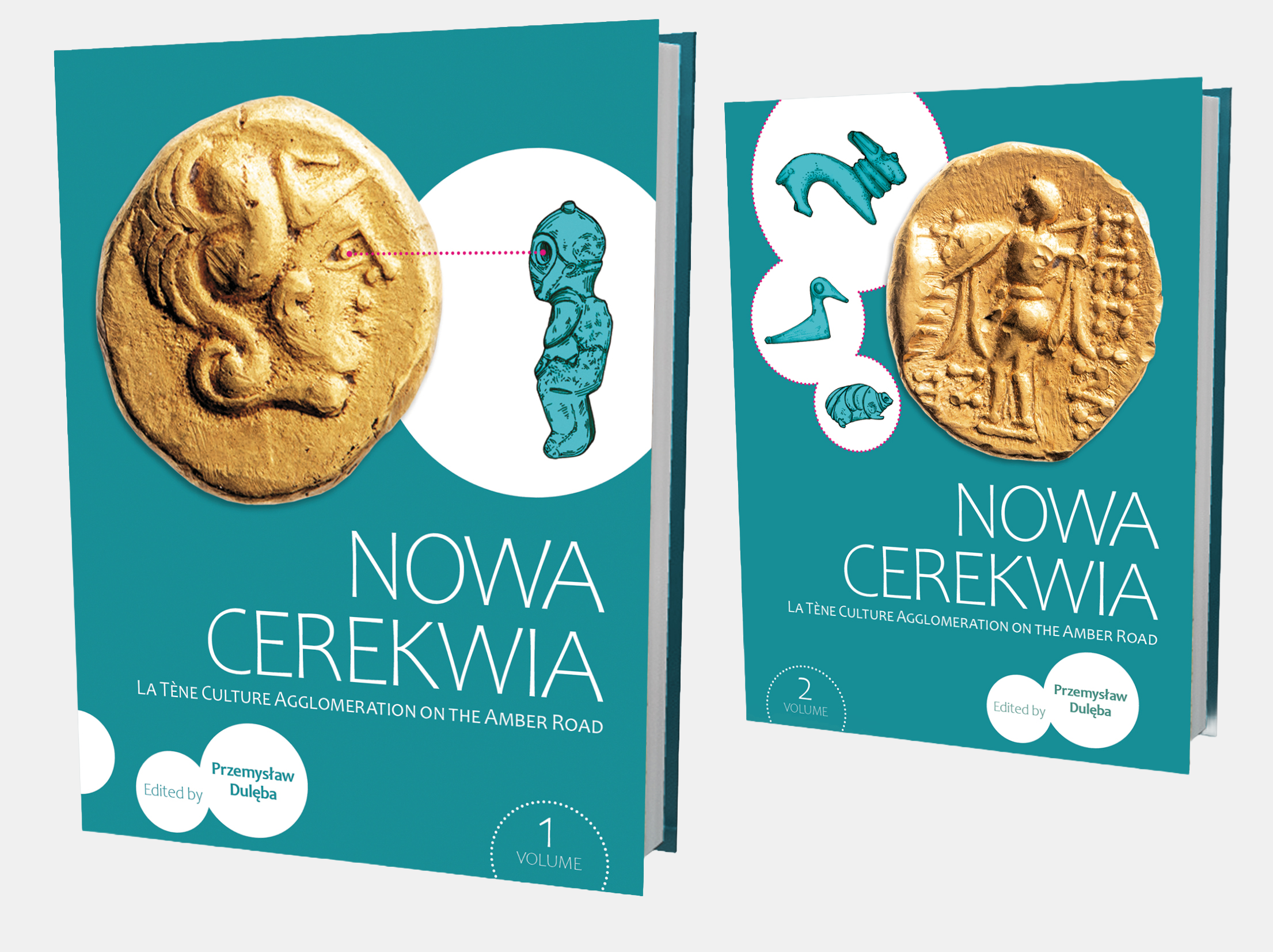
Nowa Cerekwia is a monumental two‑volume study devoted to one of the most important La Tène culture sites in Poland and Central Europe. The publication summarises a century of archaeological research conducted on the hill in Nowa Cerekwia — a place that, once a small agricultural settlement, has proven to be a key point on the northern section of the famous Amber Road.
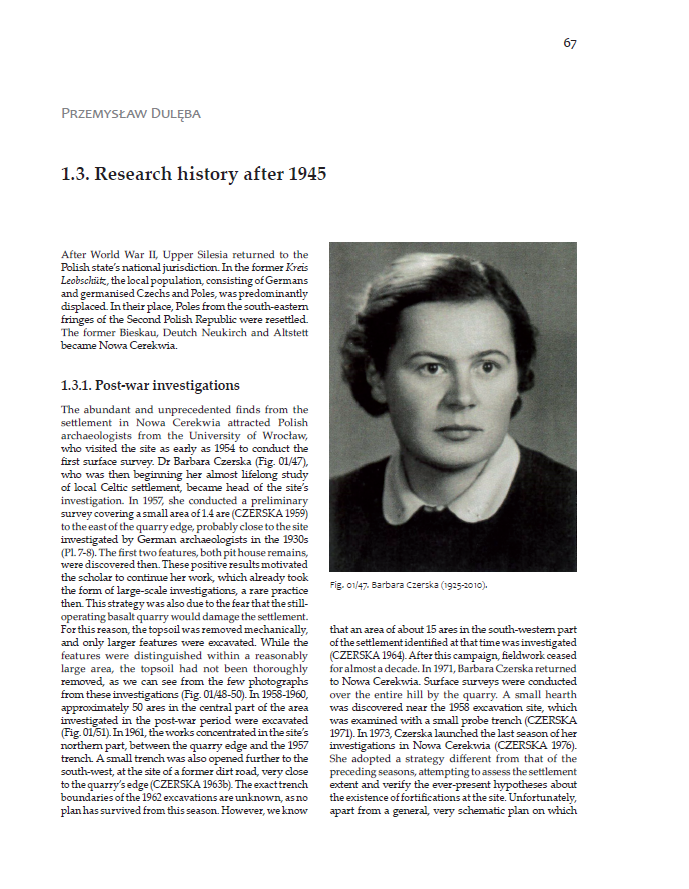
The authors present the history of discoveries from the first excavations carried out by German archaeologists in the 1920s, through the post‑war rescue investigations led by Barbara Czerska, to the most recent projects employing modern survey and analytical methods. These efforts have made it possible to reconstruct the picture of an extensive, dynamic Celtic agglomeration functioning in the 3rd–2nd centuries BC, closely connected with long‑distance trade and specialised crafts.
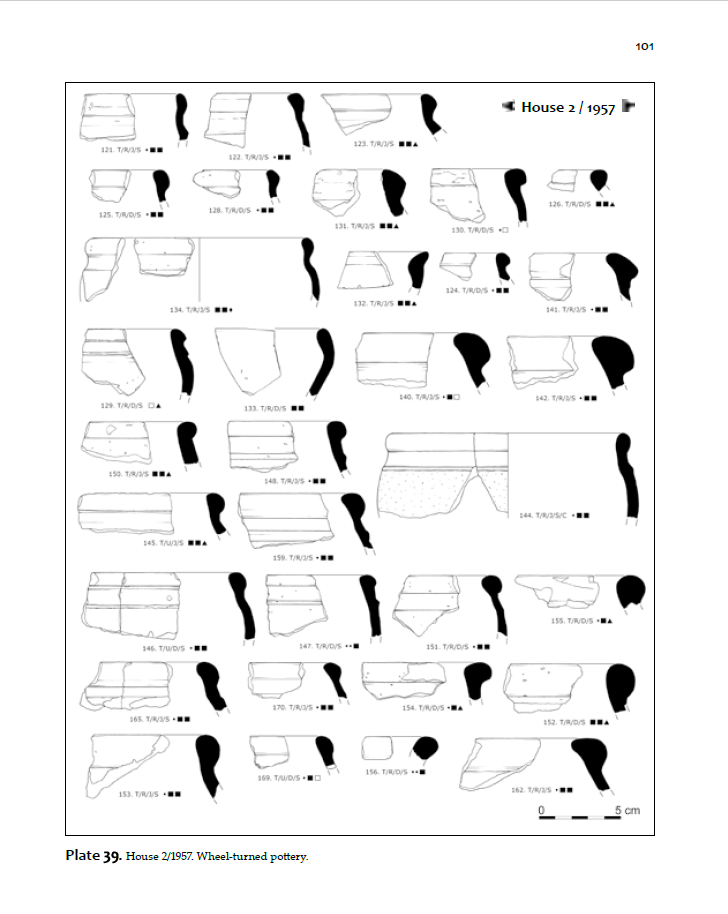
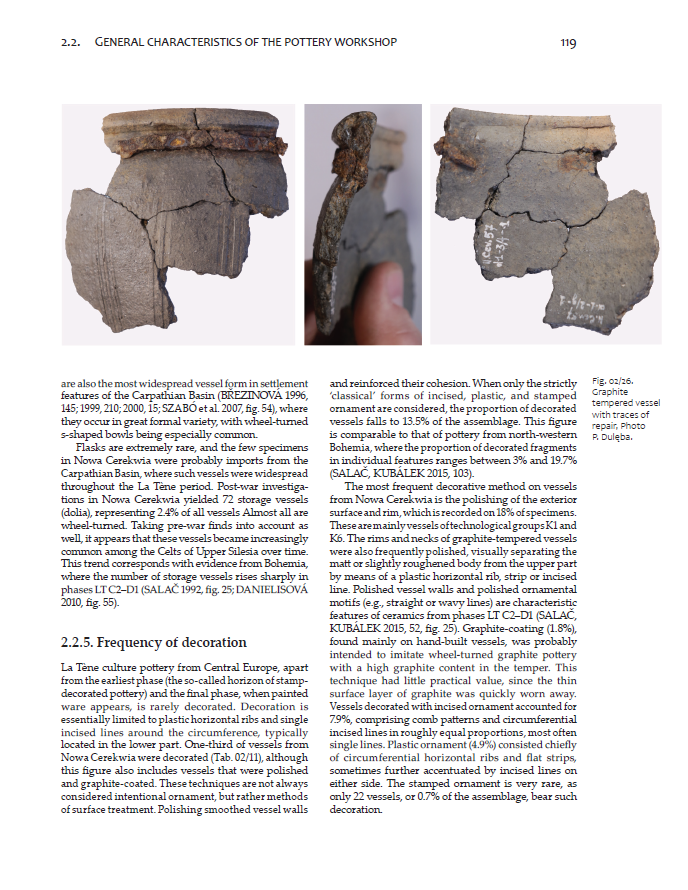
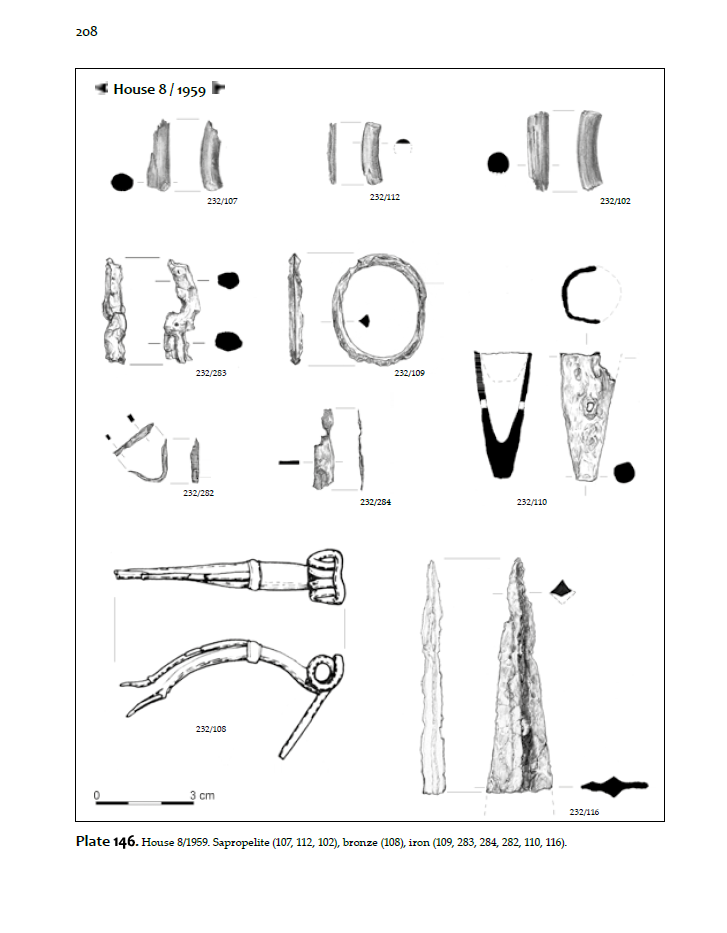
The volume brings together contributions by specialists from Poland, the Czech Republic and Germany, covering, among other topics, the analysis of ceramics, metal artefacts, numismatics, craft technologies, and the cultural and economic context of the region. The book is enriched with numerous illustrations, drawings, photographs and reconstructions prepared specifically for this publication.
This is the first study to approach the history of Nowa Cerekwia in such a comprehensive manner — a work that not only organises the dispersed materials accumulated over the past century, but also offers an entirely new perspective on the role of the Celts in the prehistory of southern Poland.
Table of Contents
Chapter 1
- 1.1. Geographic location of the site
- 1.1.1. Hydrography
- 1.1.2. Geological structure
- 1.1.3. Soils
- 1.1.4. Climate and vegetation
- 1.1.5. Landscape in the La Tène period
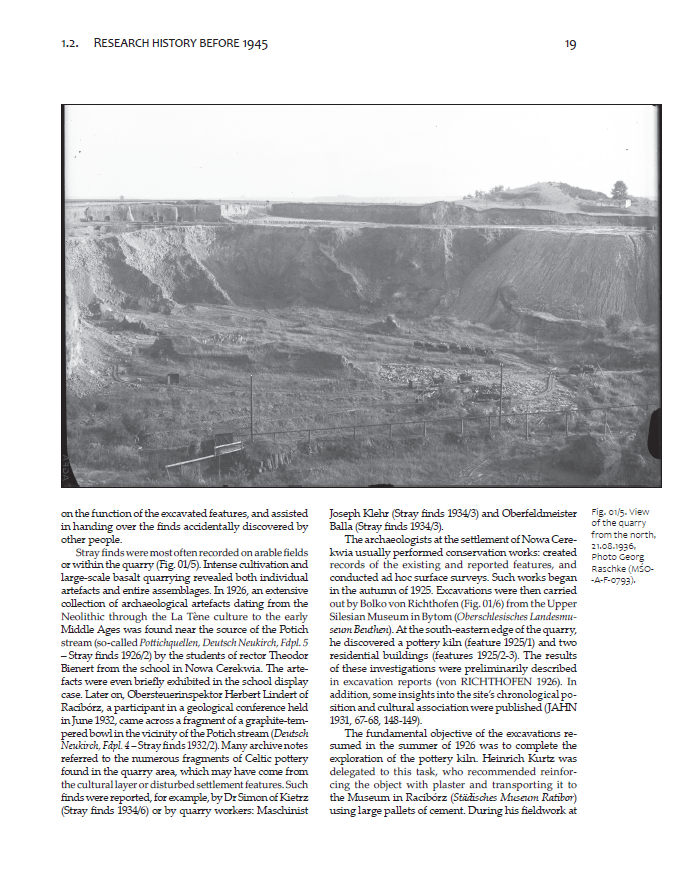
- 1.2. Research history before 1945
- 1.2.1. Deutsch Neukirch – Bieskau – Altstett – Nowa Cerekwia
- 1.2.2. The story of discoveries
- 1.2.3. Catalogue of La Tène culture finds by 1945
- 1.2.4. State of the source base and research methodology
- 1.3. Research history after 1945
- 1.3.1. Post-war investigations
- 1.3.2. Source base and source criticism
Chapter 2
- 2.1. Pottery of the La Tène culture
- 2.1.1. Method of analysing ceramic evidence
- 2.1.2. Description method for ceramic vessels
- 2.1.3. Quantification
- 2.1.4. Technological groups – basic information
- 2.1.5. Characteristics of pottery production technology
- 2.1.6. Vessel morphology
- 2.1.7. Analysis of vessel types
- 2.1.8. Vessel decoration
- 2.2. General characteristics of the pottery workshop
- 2.2.1. Vessel fragmentation
- 2.2.2. Wheel-turned vs hand-built pottery
- 2.2.3. Technological groups – assemblage structure
- 2.2.4. Vessel forms
- 2.2.5. Frequency of decoration
- 2.2.6. Vessel repair
- 2.3. Ornaments and dress accessories
- 2.3.1. Fibulae
- 2.3.2. Bracelets and armlets
- 2.3.3. Anklets
- 2.3.4. Finger-ring
- 2.3.5. Necklace
- 2.3.6. Chain belts
- 2.3.7. Glass ornaments
- 2.3.8. Sapropelite and related ornaments
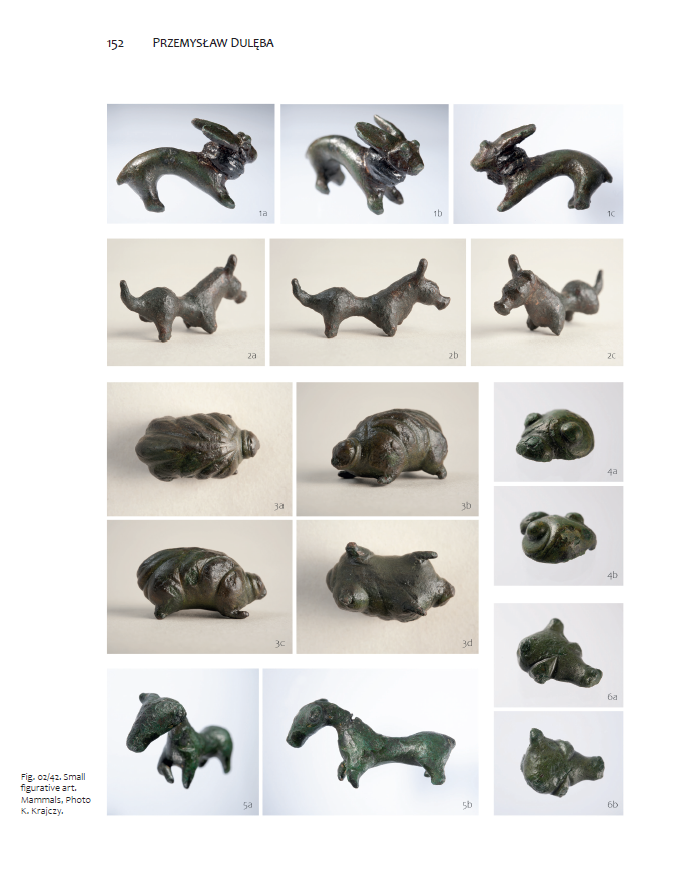
- 2.4. Figurines
- 2.5. Tools and objects of daily use
- 2.5.1. Agricultural tools
- 2.5.2. Metalworking tools
- 2.5.3. Woodworking tools
- 2.5.4. Leatherworking tools
- 2.5.5. Toilet implements
- 2.5.6. Items of daily use
- 2.5.7. Stone objects
- 2.5.8. Clay artefacts
- 2.6. Weapons and military equipment
- 2.7. The non-La Tène finds
- 2.7.1. Background
- 2.7.2. Find categories
- 2.7.3. Pottery
- 2.7.4. Dress and personal accessories
- 2.7.5. Household, interplay and display
Chapter 3
- 3.1. Coins, gold and silver
- 3.1.1. Basic characteristics of the coin assemblage
- 3.1.2. Nike type staters
- 3.1.3. Celtic coinage in the Amber Road corridor
- 3.1.4. Numismatic analysis
- 3.1.5. Summary of numismatic findings
- 3.1.6. Catalogue of coins, gold and silver bullion
- 3.2. X-ray fluorescence analysis of coins and ingots
- 3.2.1. Introduction
- 3.2.2. Gold coins and fragments
- 3.2.3. Hack gold
- 3.2.4. Suberate coins
- 3.2.5. Silver coins
- 3.2.6. Greek copper-based coins
- 3.2.7. Conclusions
Chapter 4
- 4.1. Animal remains
- 4.1.1. Methods
- 4.1.2. Results
- 4.2. Anthracology
- 4.3. Iron metallurgy
- 4.4. Graphite-tempered pottery: archaeometric studies
- 4.4.1. Introduction
- 4.4.2. Material
- 4.4.3. Microscopic studies
- 4.4.4. Raman studies
- 4.4.5. Summary
Chapter 5
- 5.1. Buildings and layout of the settlement
- 5.1.1. Pit houses
- 5.1.2. Pits
- 5.1.3. Hearths
- 5.1.4. Pottery kiln
- 5.1.5. Post structures
- 5.1.6. Building arrangement
- 5.1.7. Settlement size – settlement type
- 5.2. Settlement network in the micro-region
- 5.3. Cremation grave with quadrilateral ditch
- 5.3.1. Grave furnishings and dating
- 5.3.2. Ditched features in Central Europe
- 5.3.3. Function of the feature
- 5.4. Bioarchaeological study of the cremation grave
- 5.4.1. Introduction
- 5.4.2. Methods
- 5.4.3. Results
- 5.4.4. Discussion and summary
- 5.5. Economic issues
- 5.5.1. Animal husbandry and hunting
- 5.5.2. Agriculture
- 5.5.3. Crafts
- 5.6. Trade
- 5.6.1. Transport
- 5.6.2. The Amber Road
- 5.6.3. Coins and bullion
- 5.6.4. Raw materials
- 5.6.5. Finished items
Chapter 6
- 6.1. Dating the settlement’s existence
- 6.2. Regional context – La Tène culture in Silesia
- 6.2.1. Genesis
- 6.2.2. Characteristics
- 6.2.3. Contacts with other enclaves
- 6.3. Supra-regional context
- 6.3.1. Settlement network
- 6.3.2. Cimbrian migration and Celtic decline
- List of finds
- Bibliography







Reviews
There are no reviews yet.