


Twój koszyk jest obecnie pusty!
W sierpniu z powodu sezonu urlopowego wysyłka książek do 14 dni roboczych

Tegoroczne lato mieliśmy bardzo pracowite. Oprócz trzeciego numeru „Archeologicznych Zeszytów Sprawozdawczych” przygotowywaliśmy materiały na trzy konferencje, były składy i łamania publikacji na zlecenie, zatrzęsienie redakcji i tłumaczeń oraz trzy nowe książki, które wydajemy we współpracy z kilkoma instytucjami naukowymi. Nie wszystkie wiadomości zmieszczą się w jednym poście, więc po kolei.
Wszystkie trzy tytuły są już w druku i jak tylko drukarnia dostarczy pachnące farbą woluminy, będzie można je zakupić w naszym sklepie internetowym.
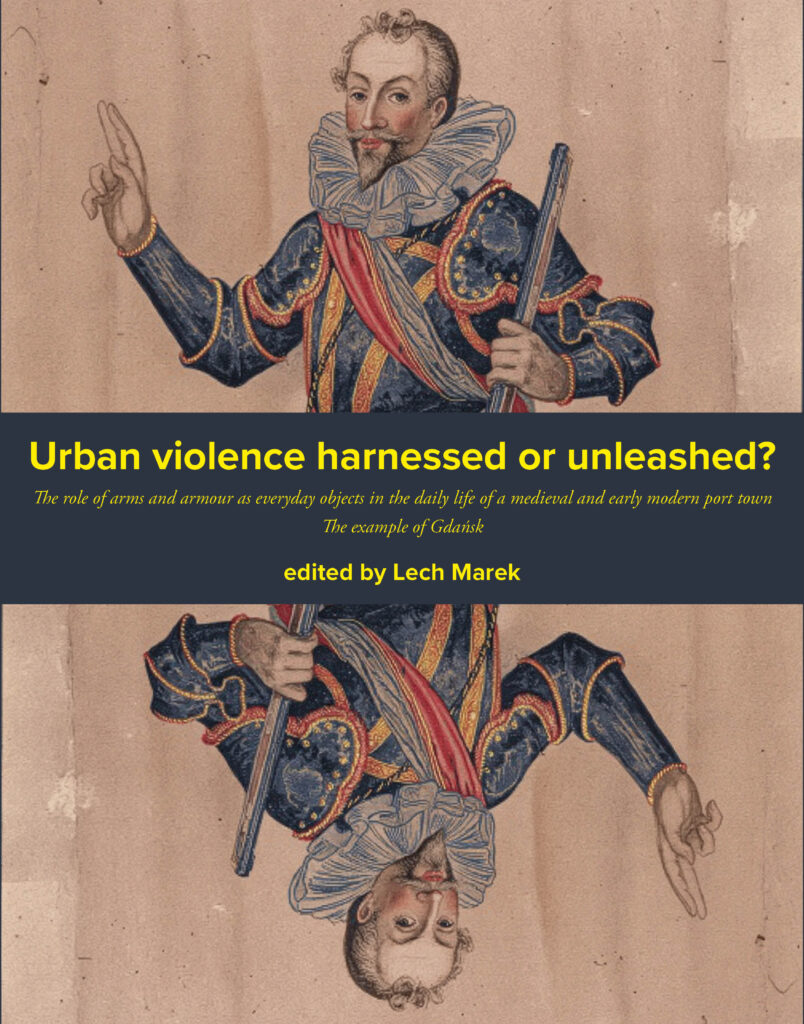
Urban violence harnessed or unleashed? The role of arms and armour as everyday objects in the daily life of a medieval and early modern port town: The example of Gdańsk
edited by Lech Marek
Wyd. Instytut Archeologii Uniwersytetu Wrocławskiego, Muzeum Archeologiczne w Gdańsku oraz Yellow Point Publications
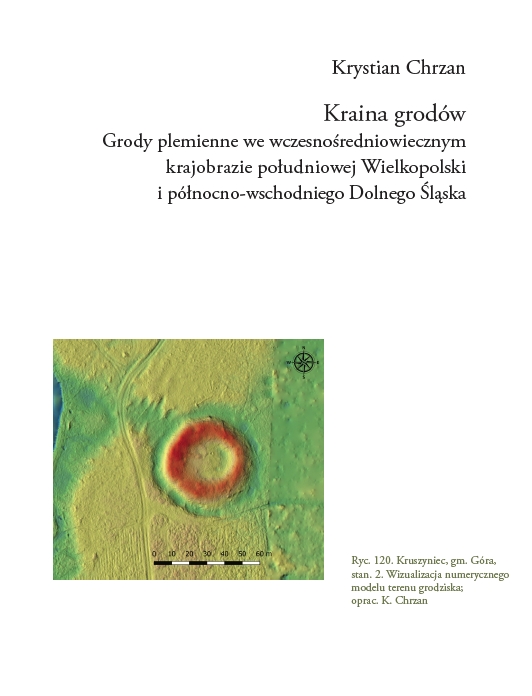
Krystian Chrzan
Kraina grodów. Grody plemienne we wczesnośredniowiecznym krajobrazie południowej Wielkopolski i północno-wschodniego Dolnego Śląska
Wyd. Instytut Archeologii i Etnologii Polskiej Akademii Nauk
„Kraina grodów” to interdyscyplinarna opowieść o reliktach wczesnośredniowiecznych grodzisk z obszaru północno-wschodniego Dolnego Śląska i południowej Wielkopolski – ich formach, funkcjach i znaczeniu w życiu dawnych społeczności słowiańskich. Autor, łącząc najnowsze metody archeologiczne z refleksją nad krajobrazem i strukturą społeczną epoki, prezentuje 84 stanowiska jako element większej opowieści o plemiennym świecie sprzed powstania państwa Piastów. Książka wychodzi poza opis źródeł, stawiając pytania o to, jak ludzie tego czasu postrzegali przestrzeń, czym były dla nich grody i jak wpisywały się one w codzienne życie oraz duchowość przedchrześcijańskich Słowian. To nie tylko studium archeologiczne, lecz także próba rekonstrukcji świata, którego materialne ślady wciąż trwale kształtują nasz krajobraz kulturowy.
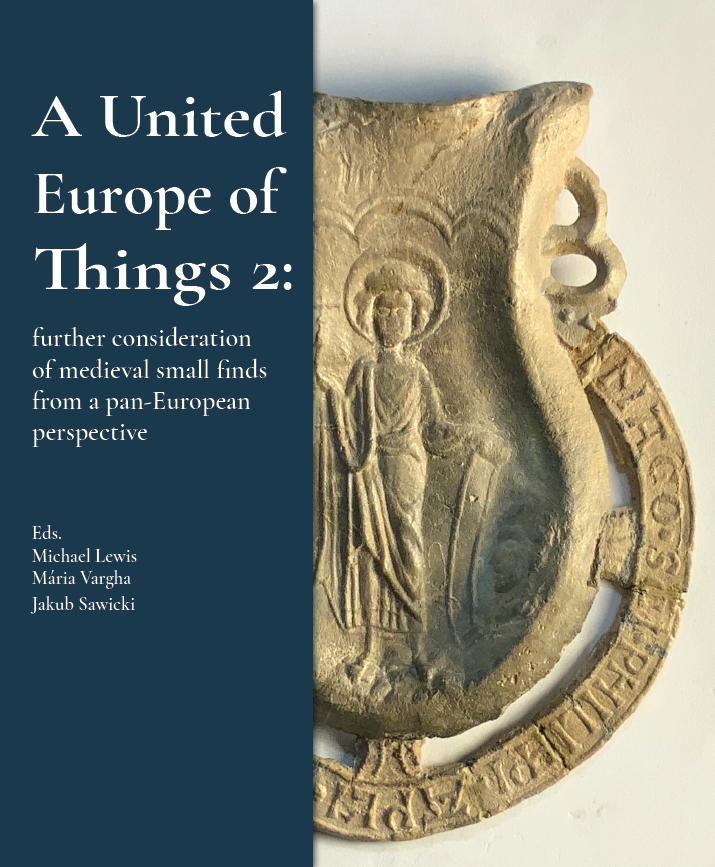
A United Europe of Things 2: further consideration of medieval small finds from a pan-European perspective
Eds. Michael Lewis, Mária Vargha, Jakub Sawicki
Wydanie przy wsparciu Medieval European Research Community i European Medieval Finds (EMF)
POPRZEDNI WPIS
Zapisz się do naszego newslettera i nie przegap informacji o nowych publikacjach oraz informacjach z życia wydawnictwa.

